


流程簡介
整個儀式遵從古時皇帝出巡的儀式、排場。
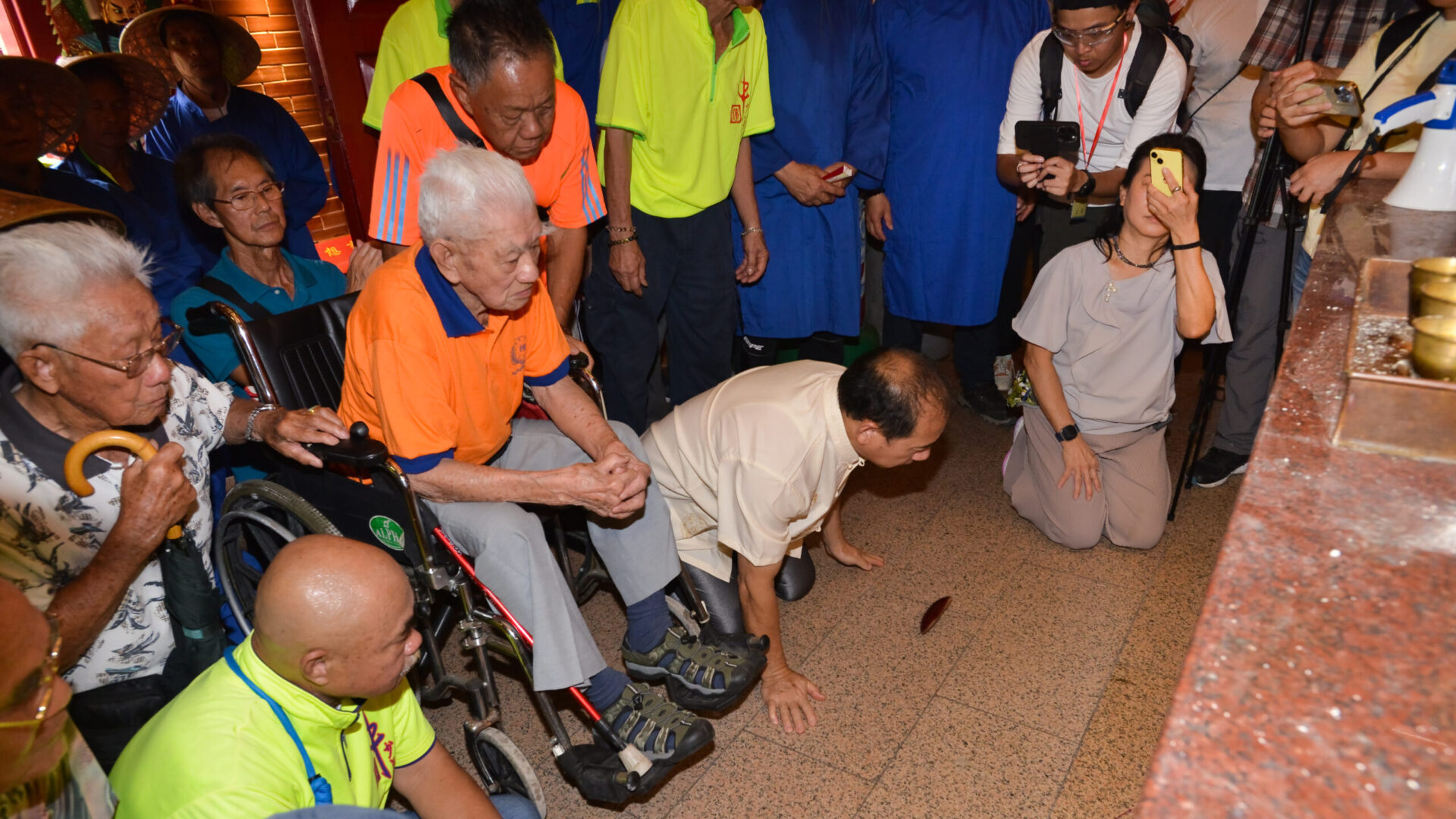
啟程:出海巡遊前,需擲聖杯請示天后娘娘出巡時間,獲得聖意批准後方能啟程。
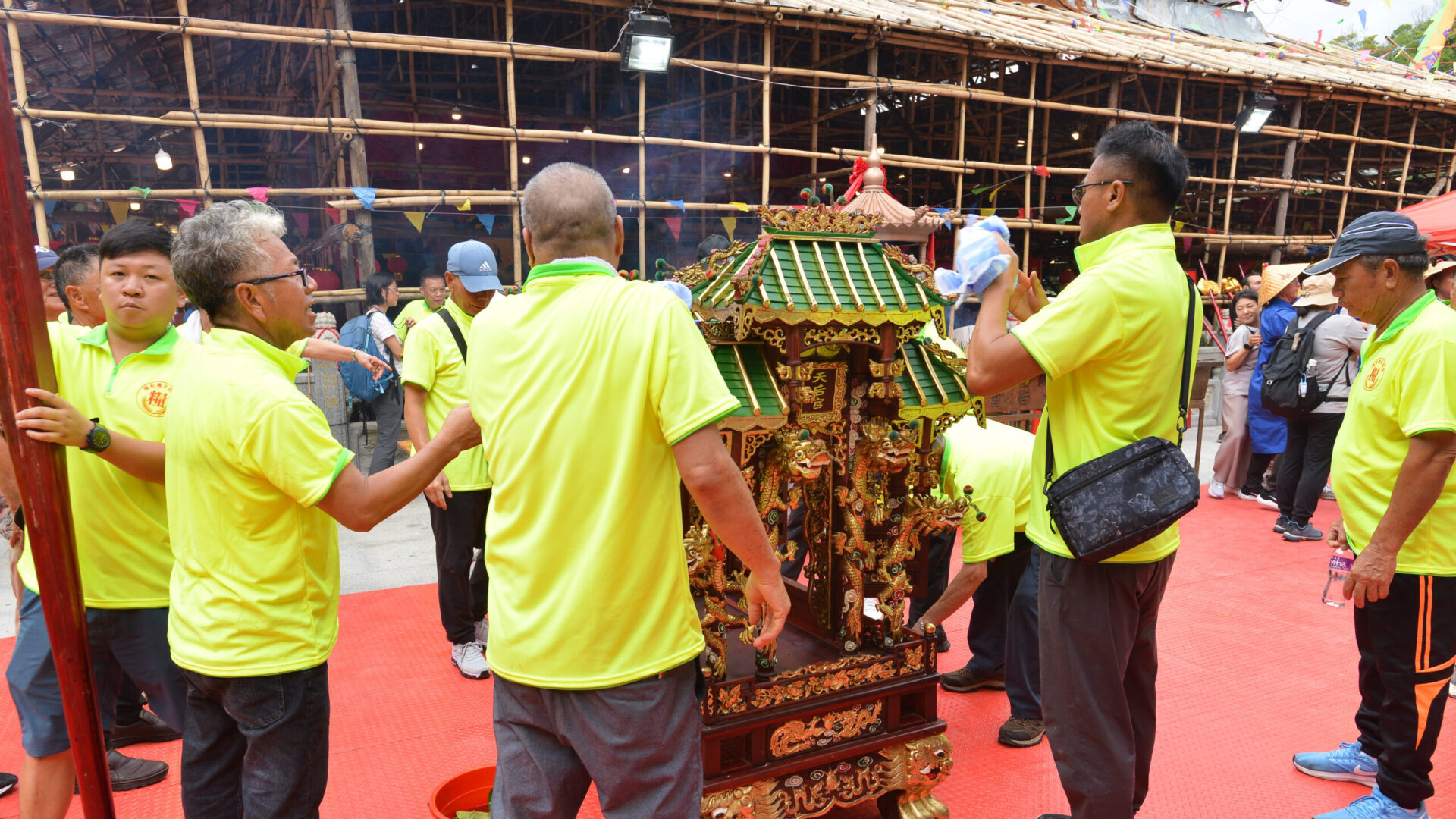
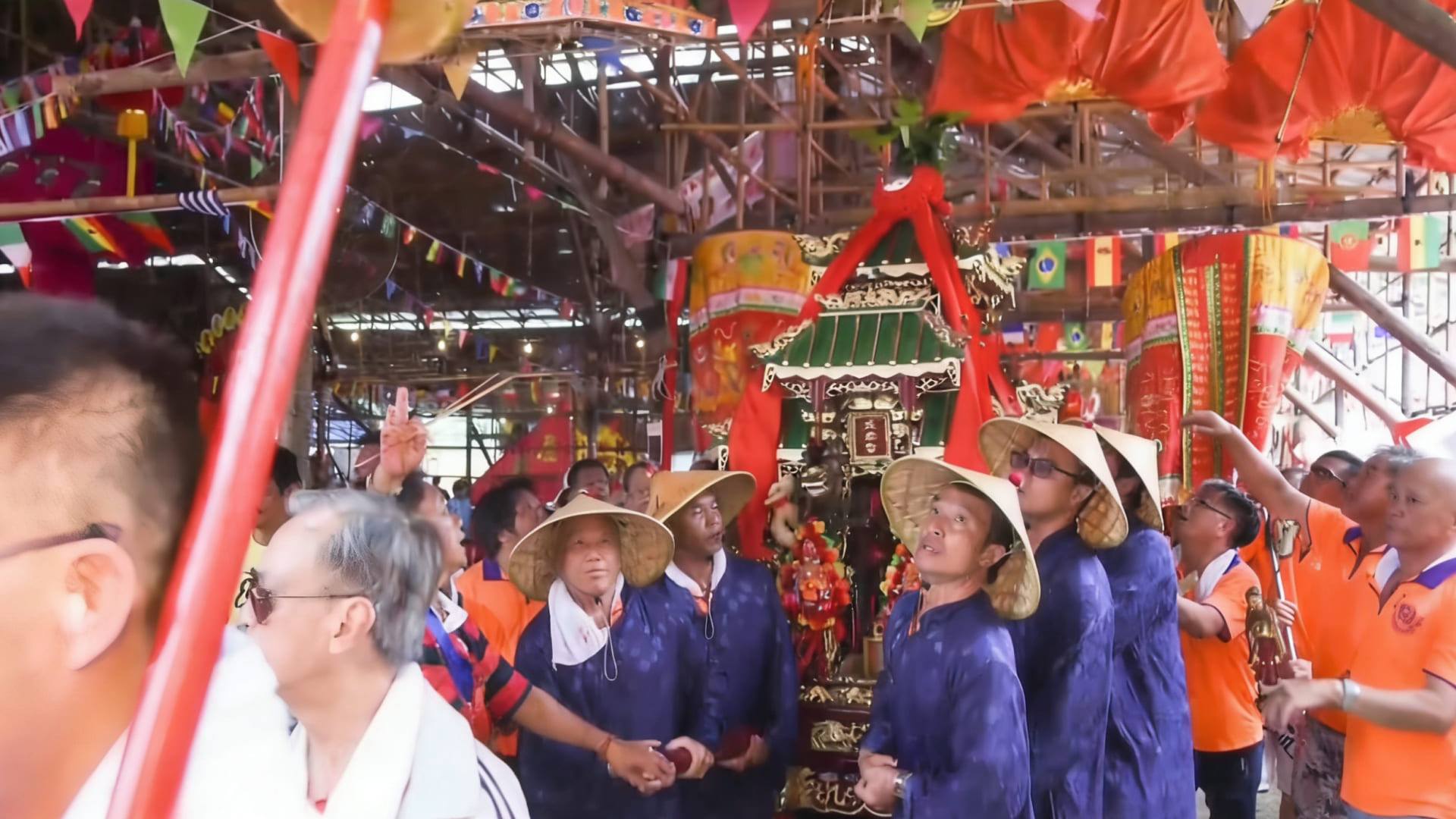
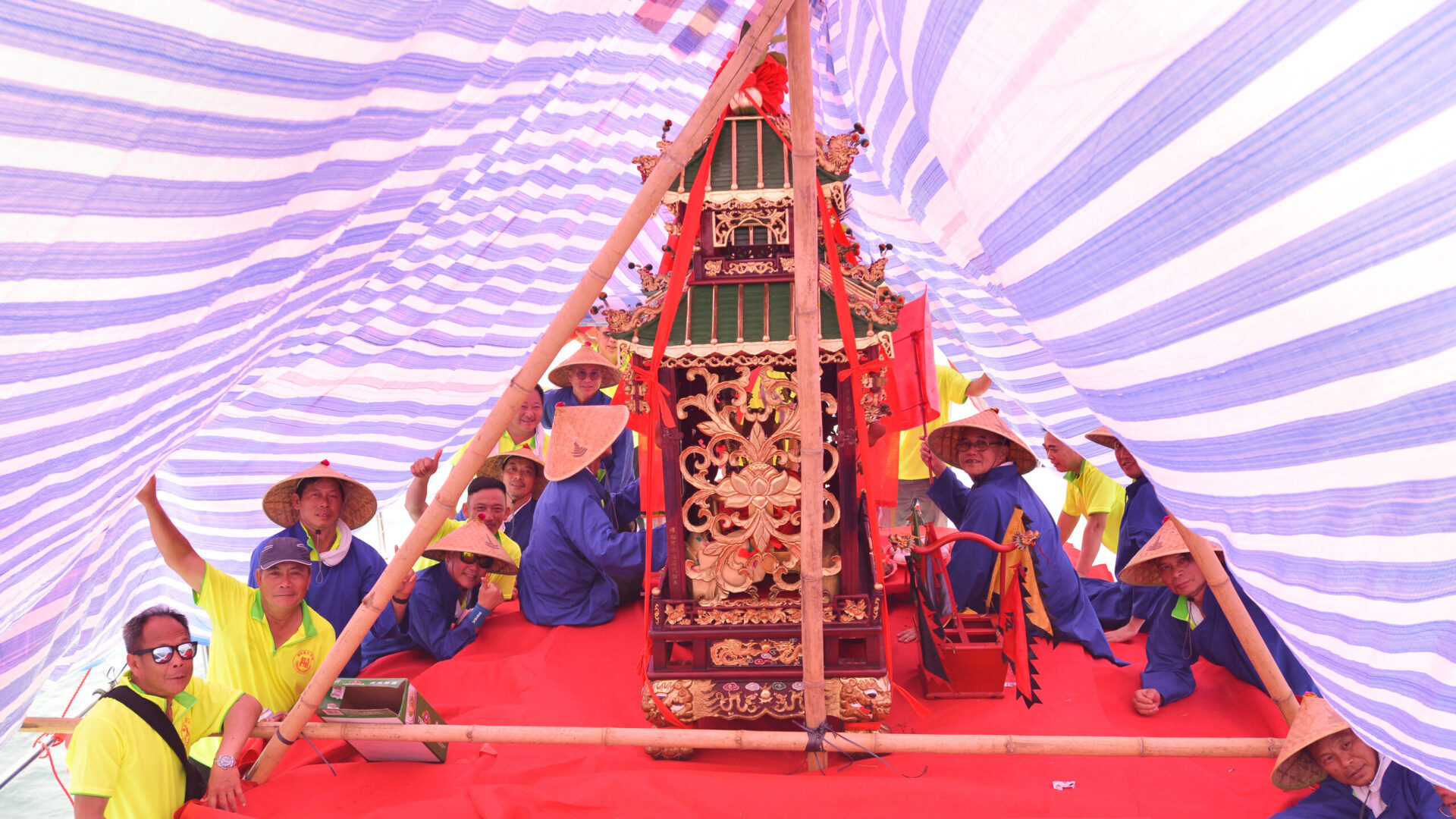
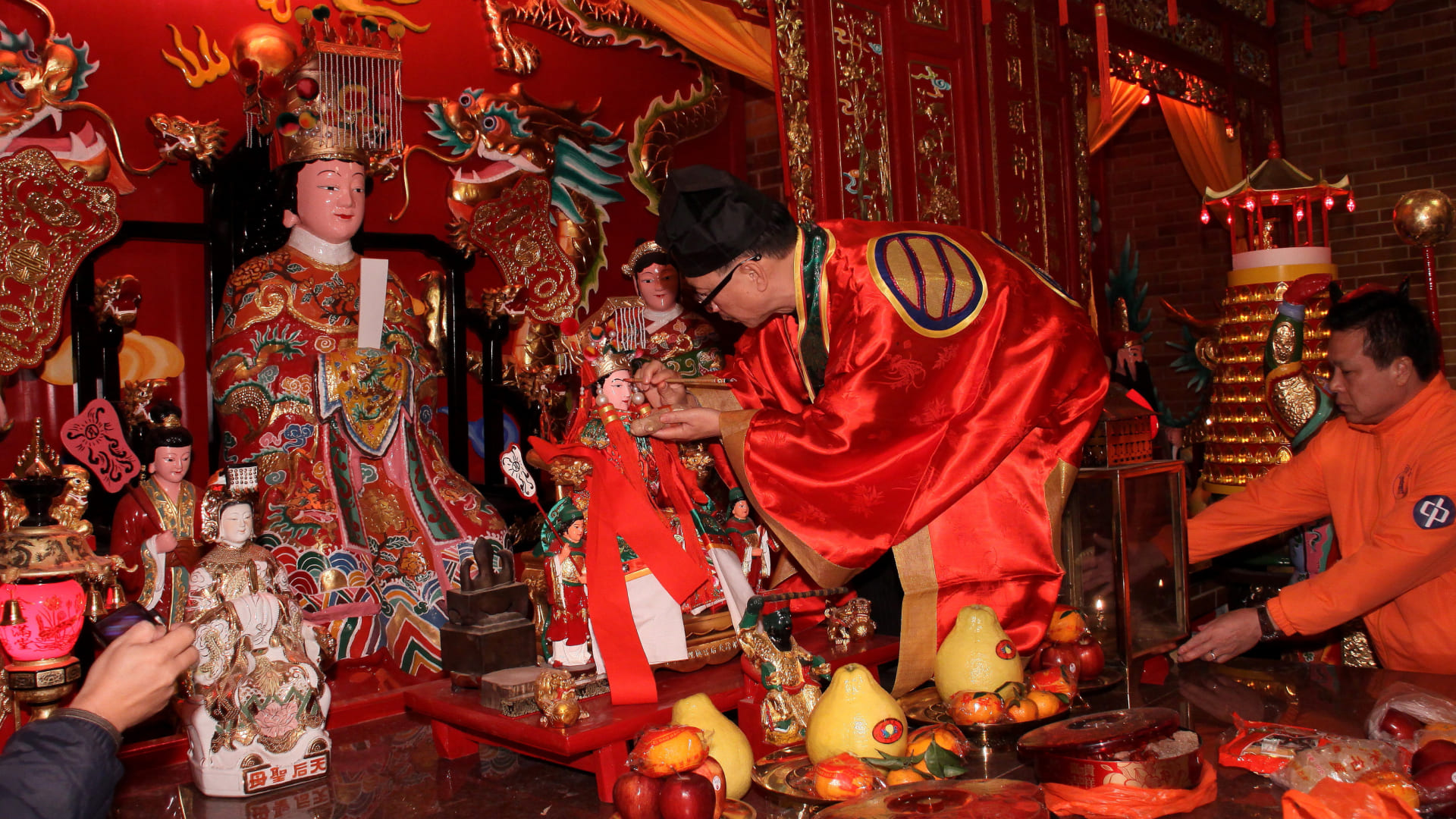
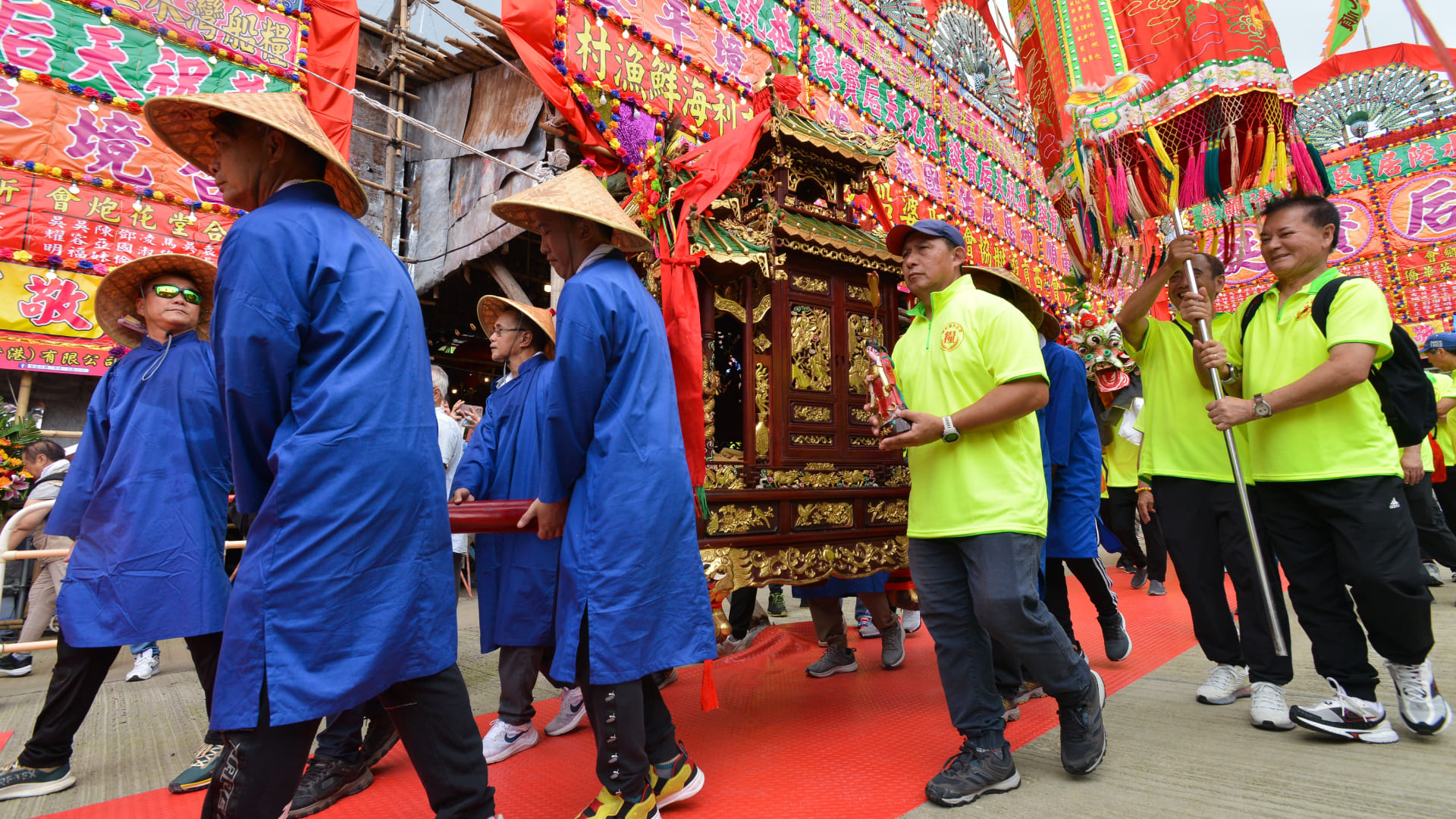
- 請神與準備: 工作人員會為神輿簪花掛紅,並掛上薑和碌柚葉等辟邪驅穢之物。
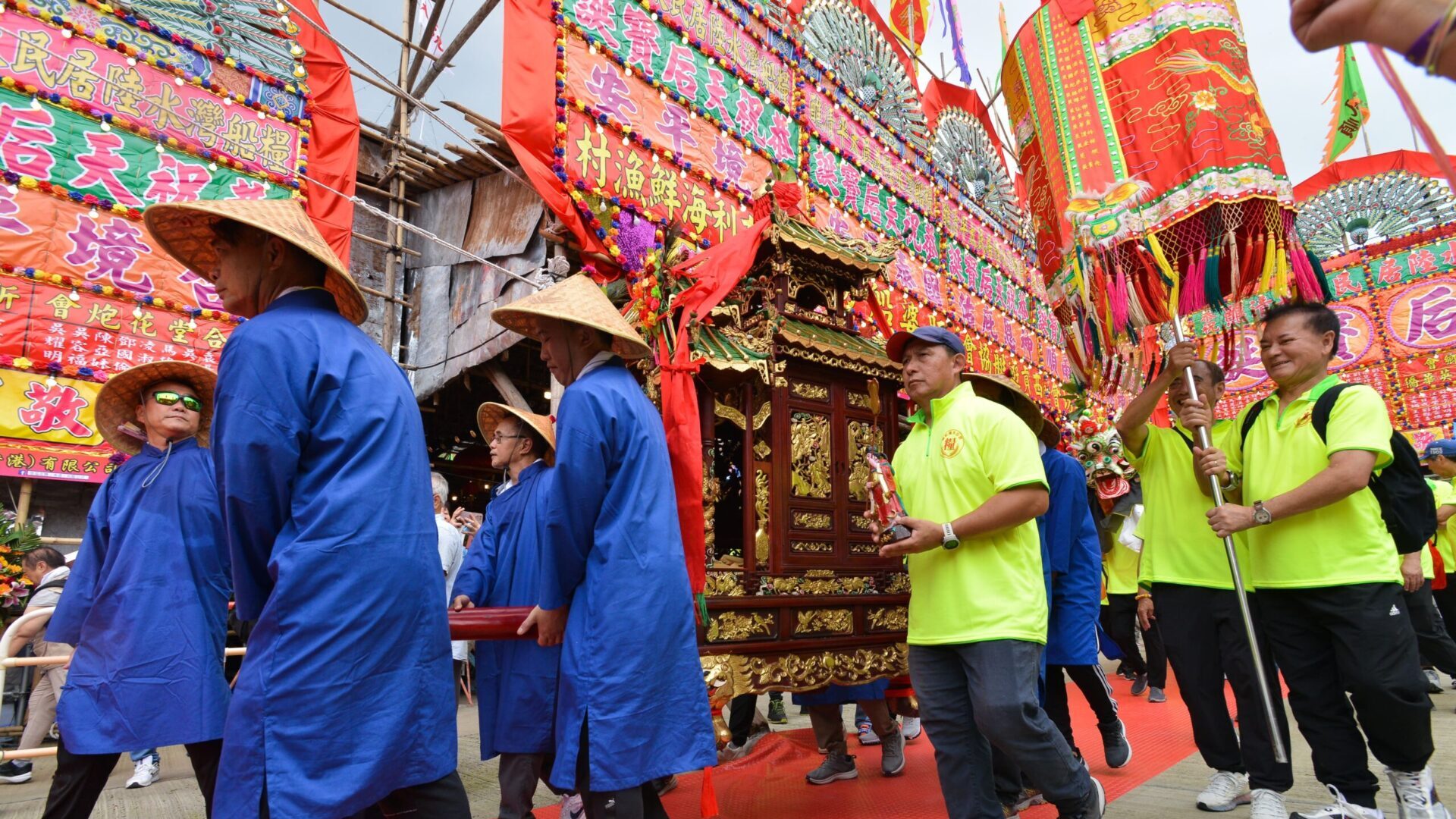
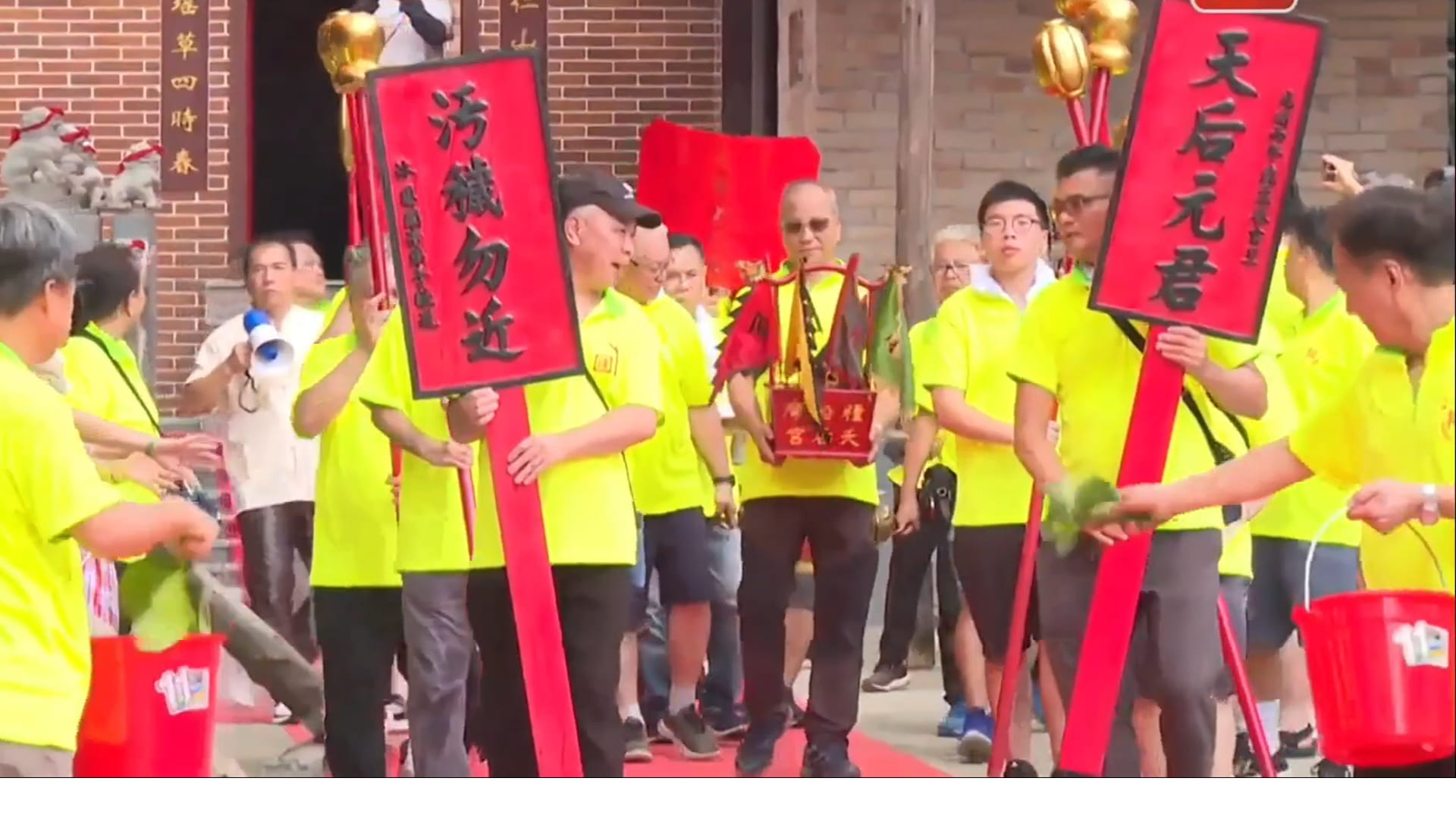
- 潔淨之道:天后娘娘所經之路,均會鋪上紅地毯並進行清潔,禁止他人隨意踏足。
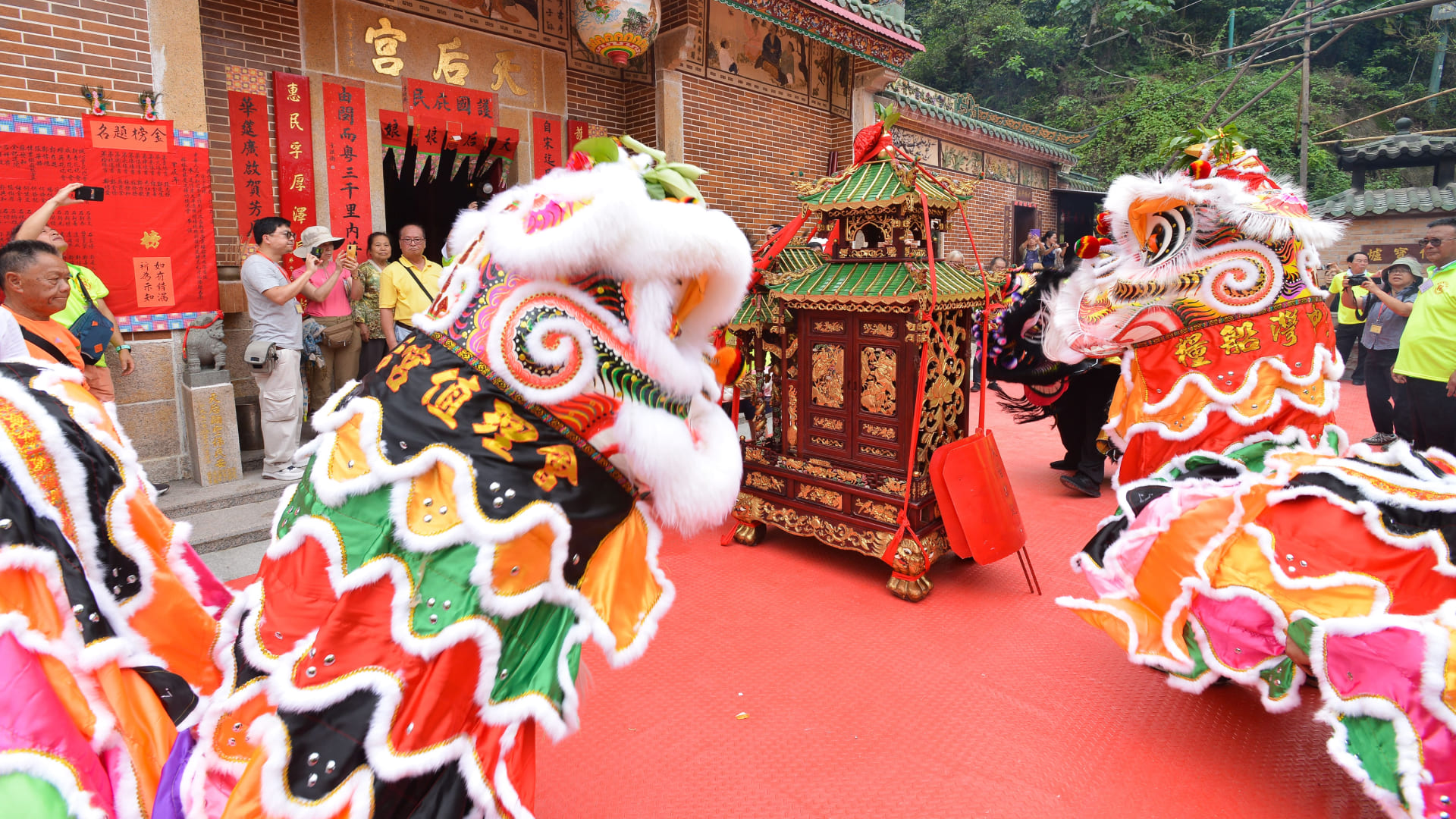
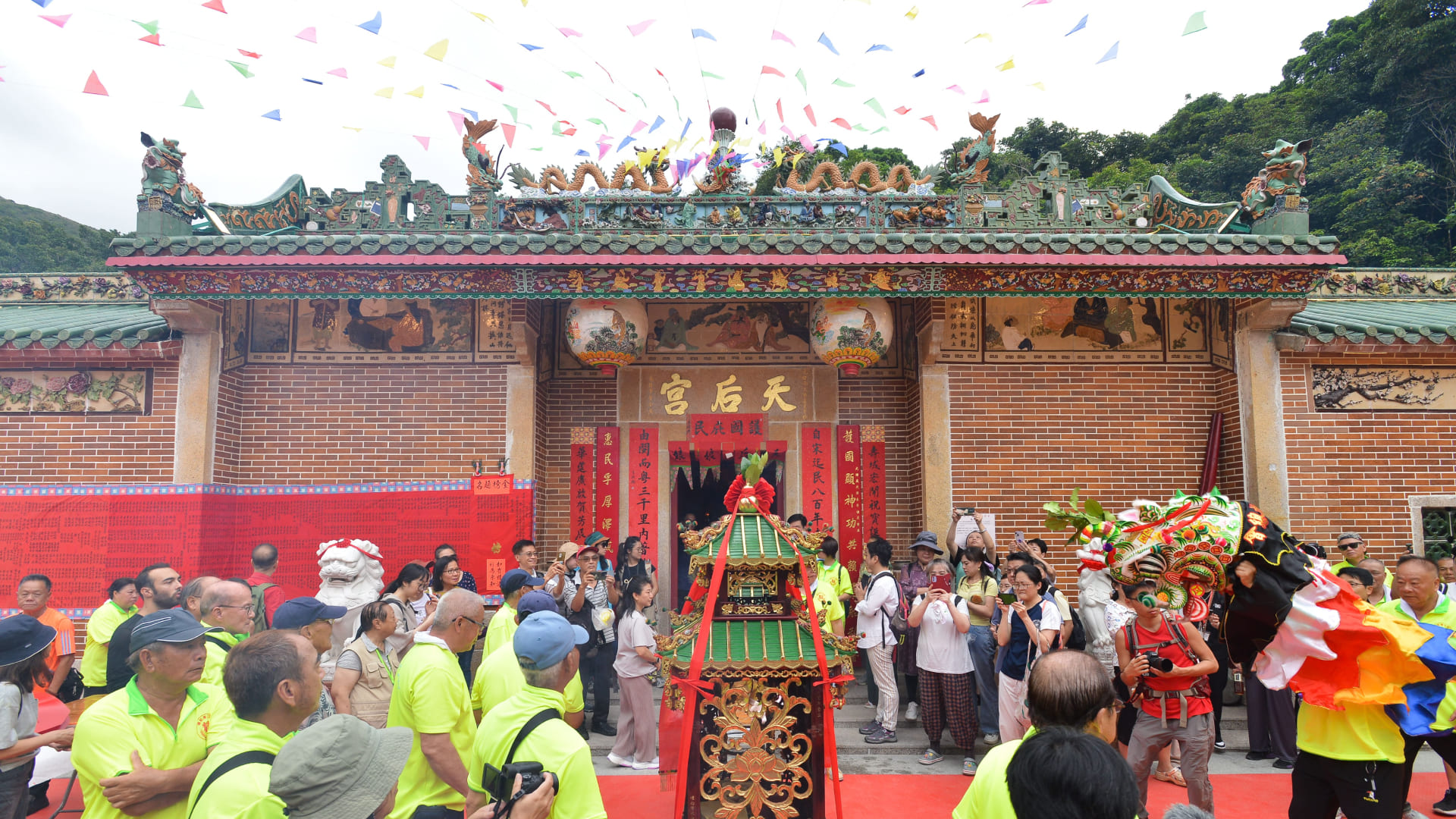
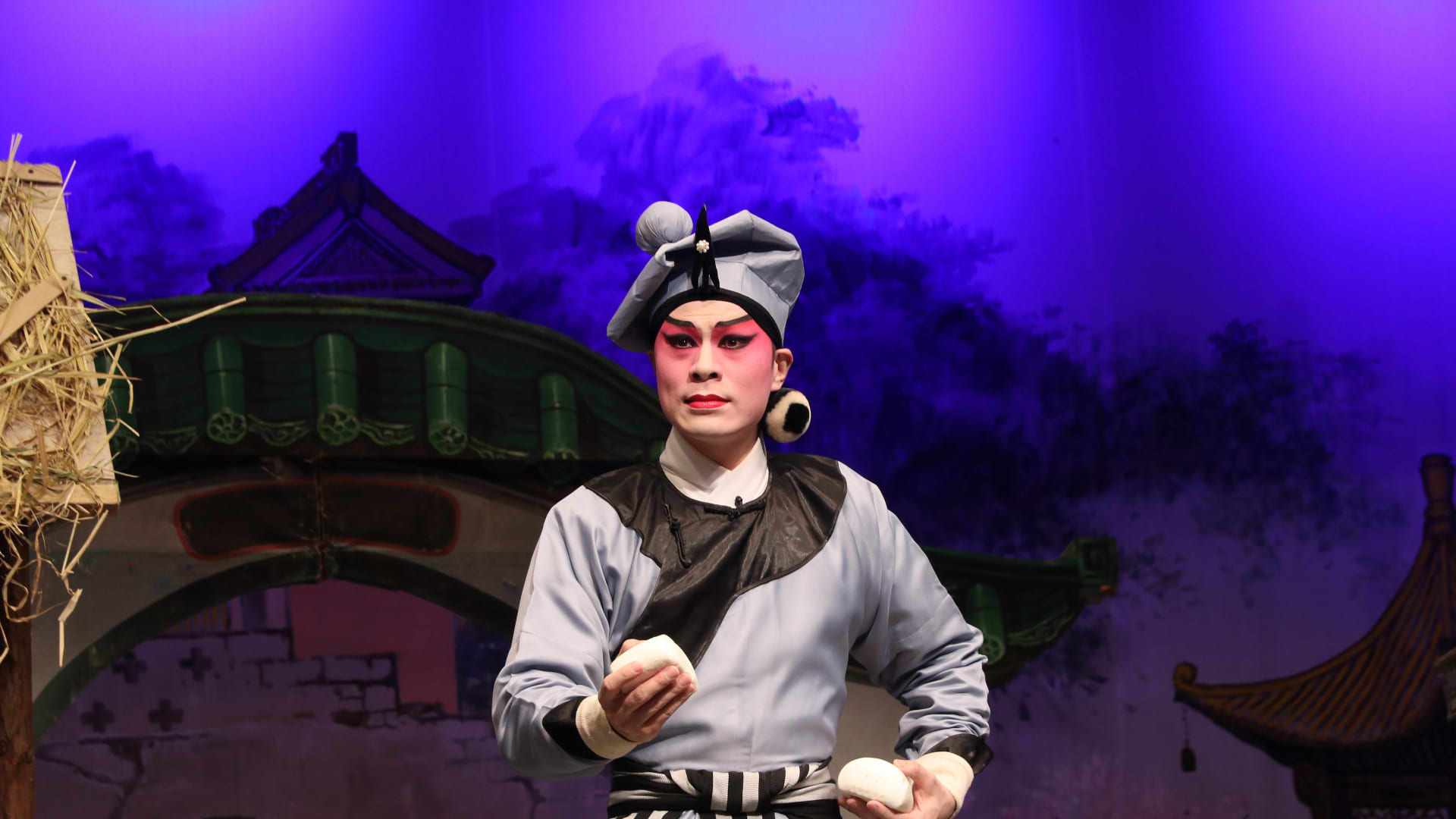
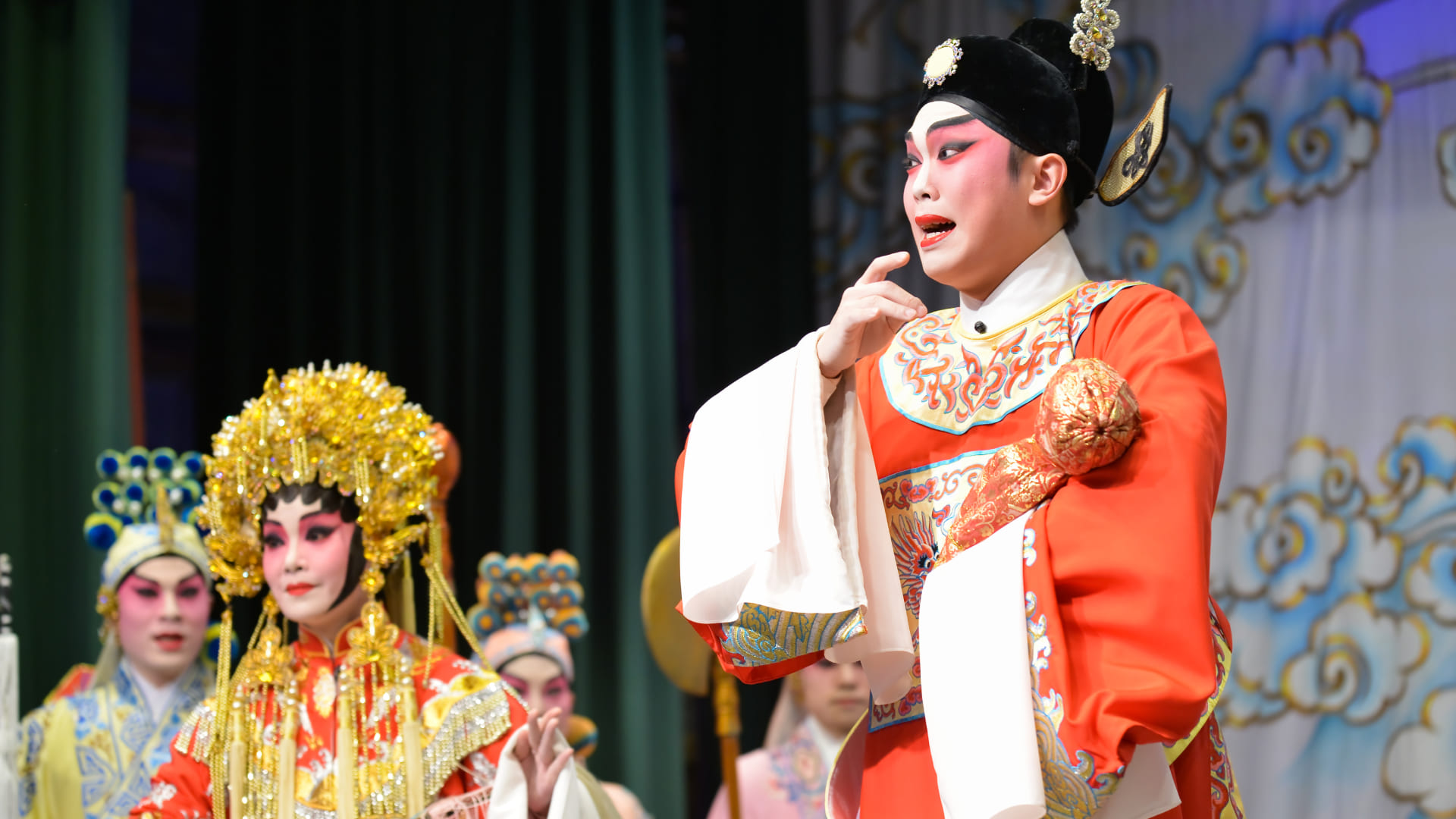
- 戲班先上演賀壽、加官、送子,亦有醒獅、麒麟助興。
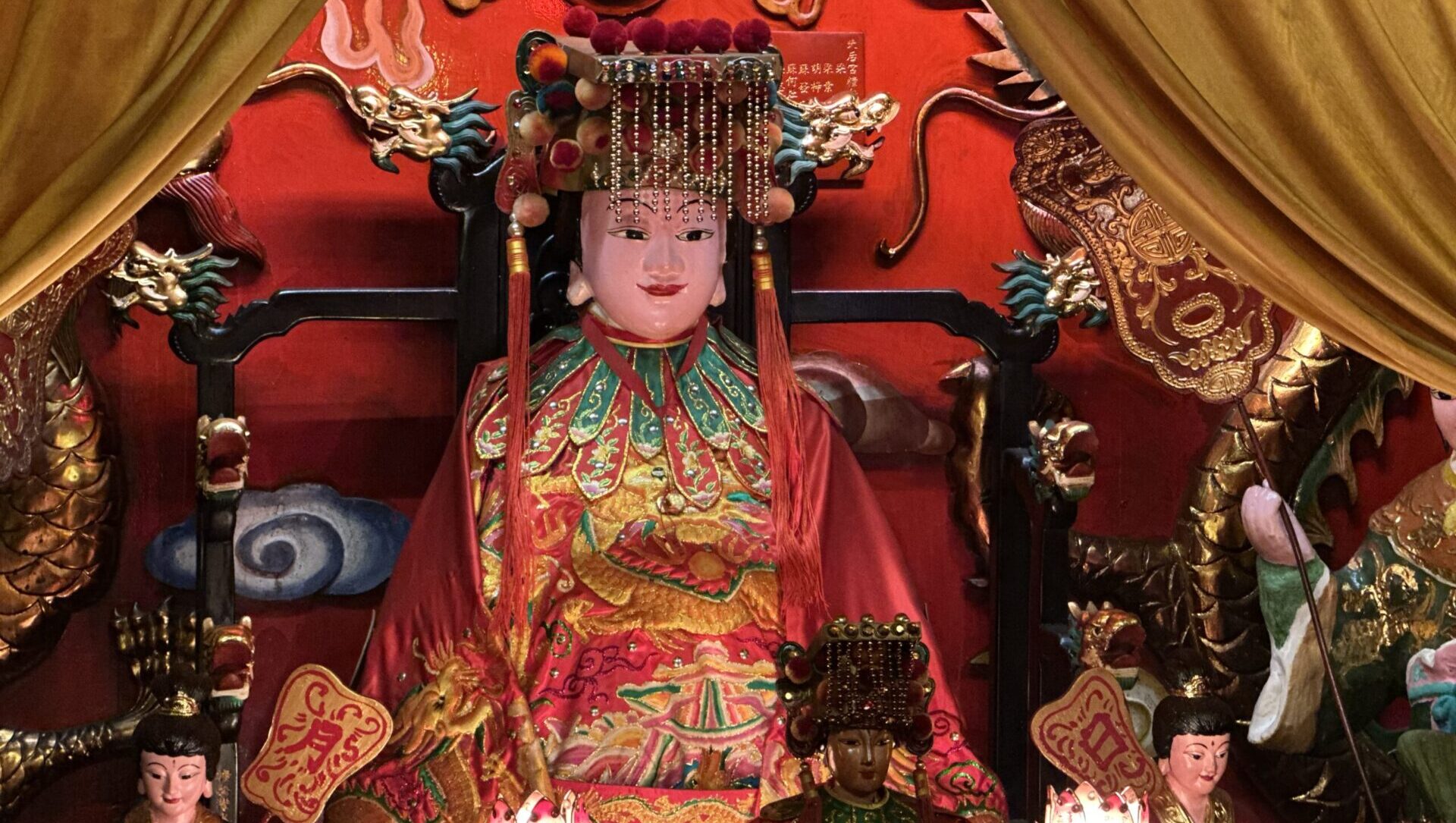
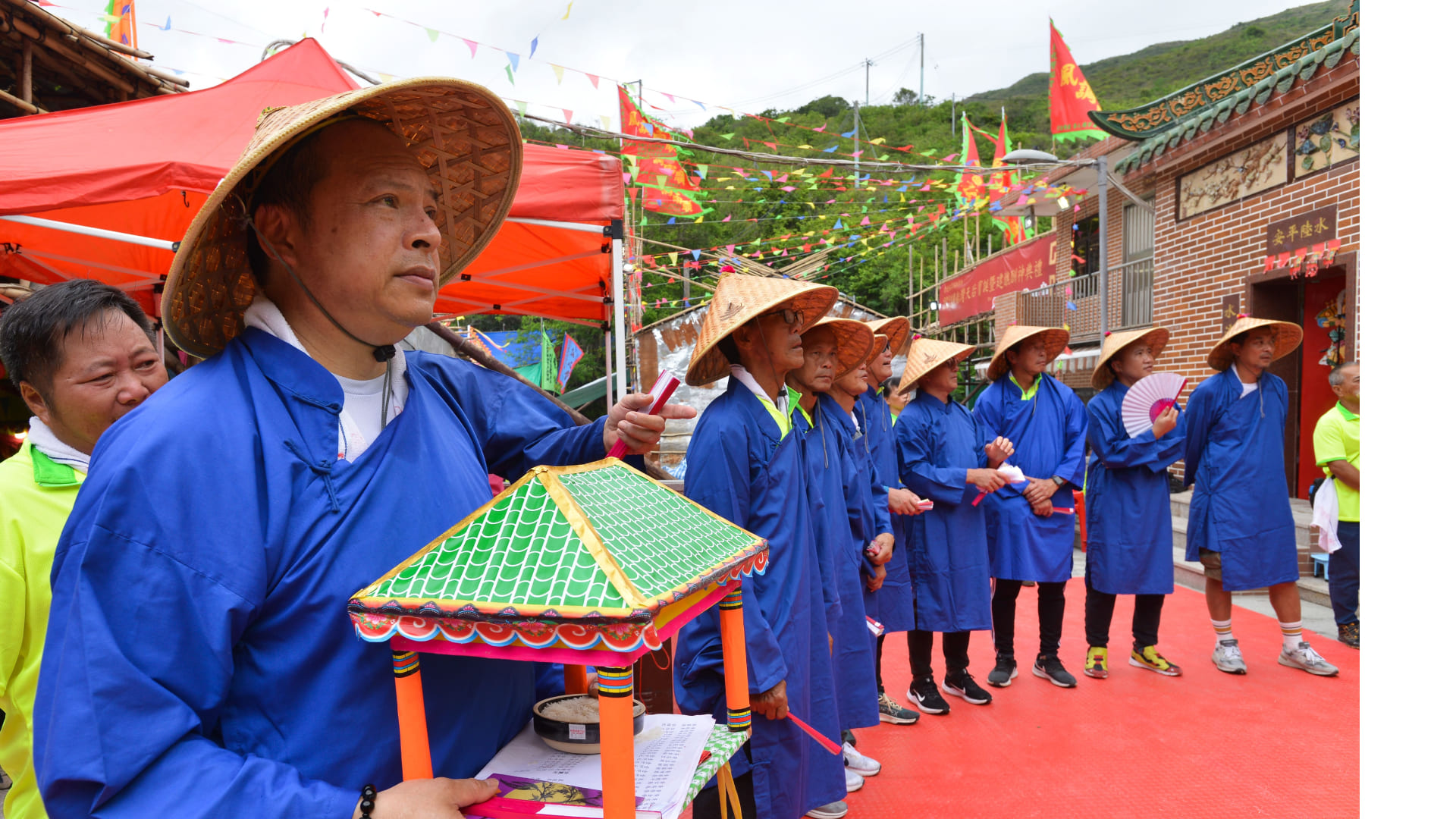
- 「緣首」將天后的「行身」請出廟外,安放在神輿上。
- 兩旁有人撐起羅傘,喃嘸先生跟隨其後,一邊誦經,同時有人敲鑼擊鼓,拿著「天后元君」、「污穢勿近」、「肅靜迴避」等「巡牌」。
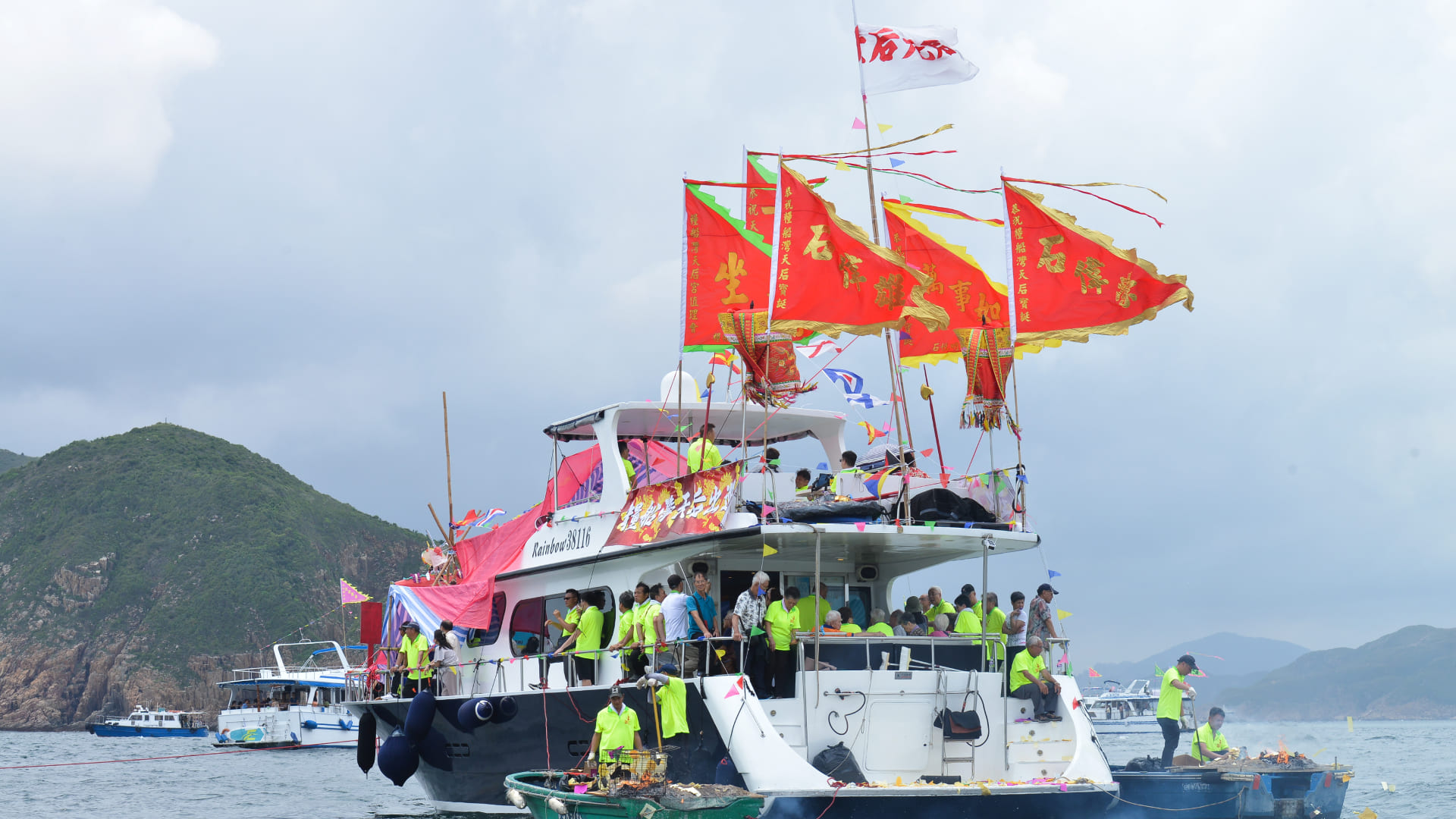
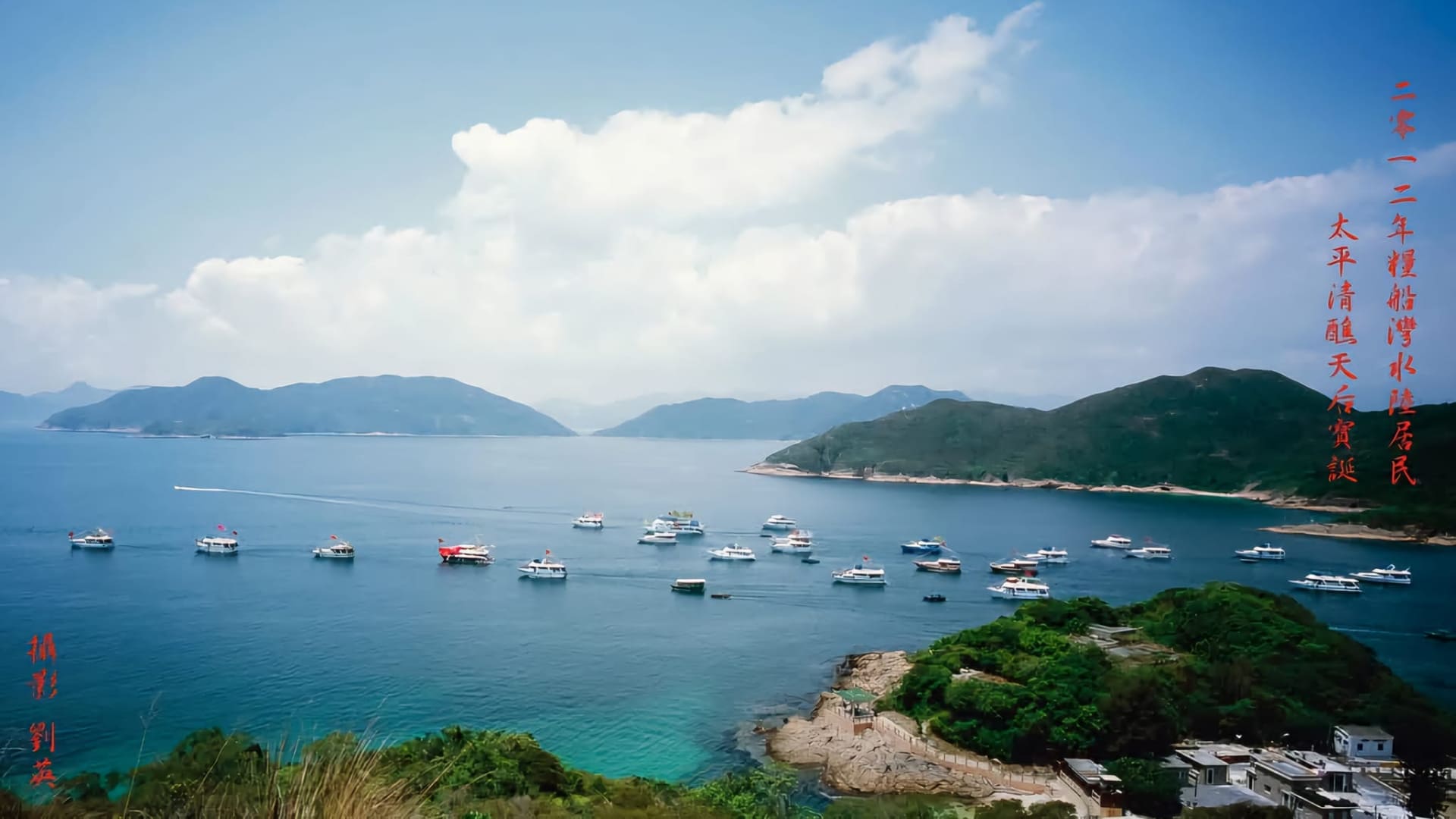
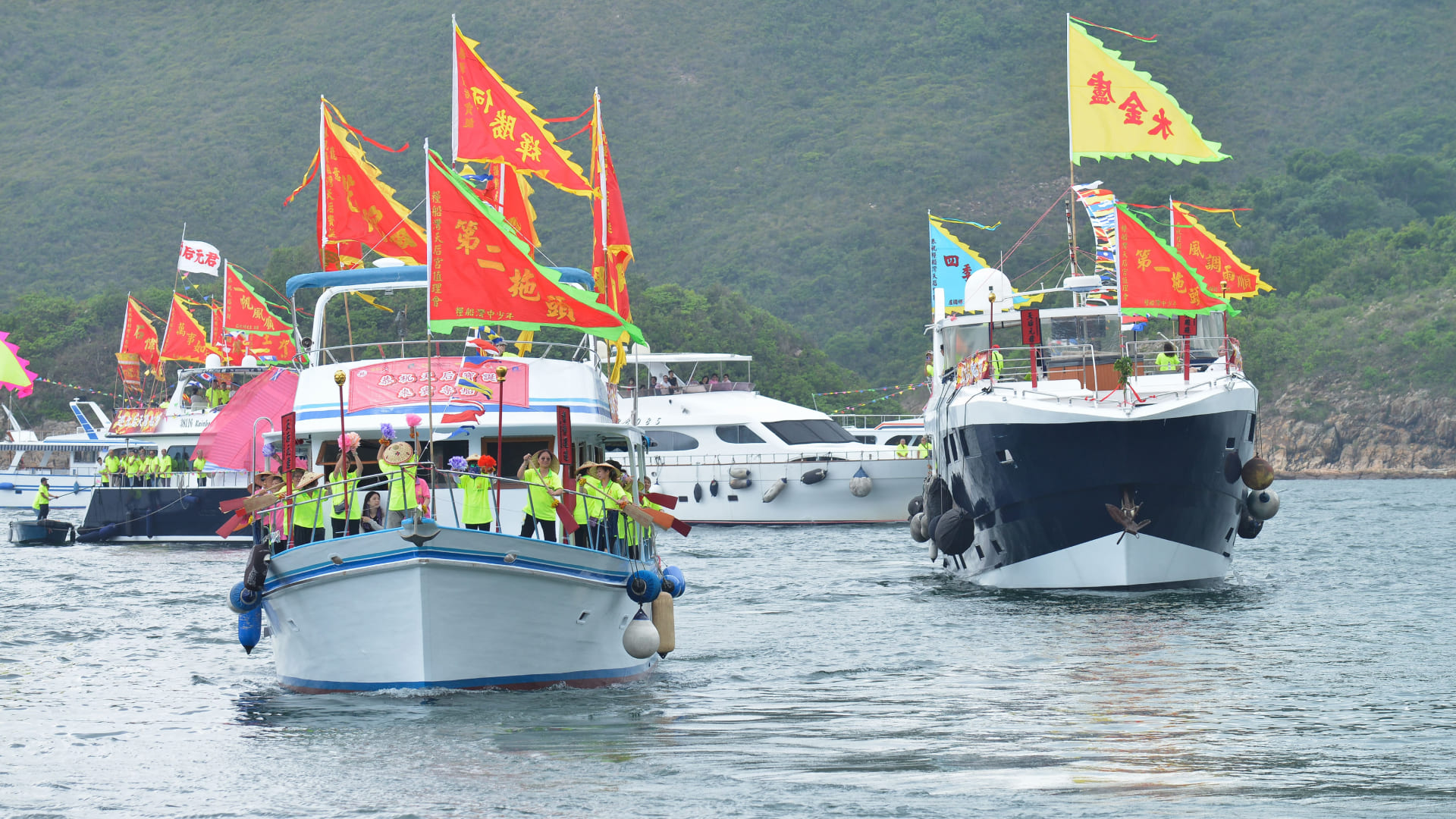
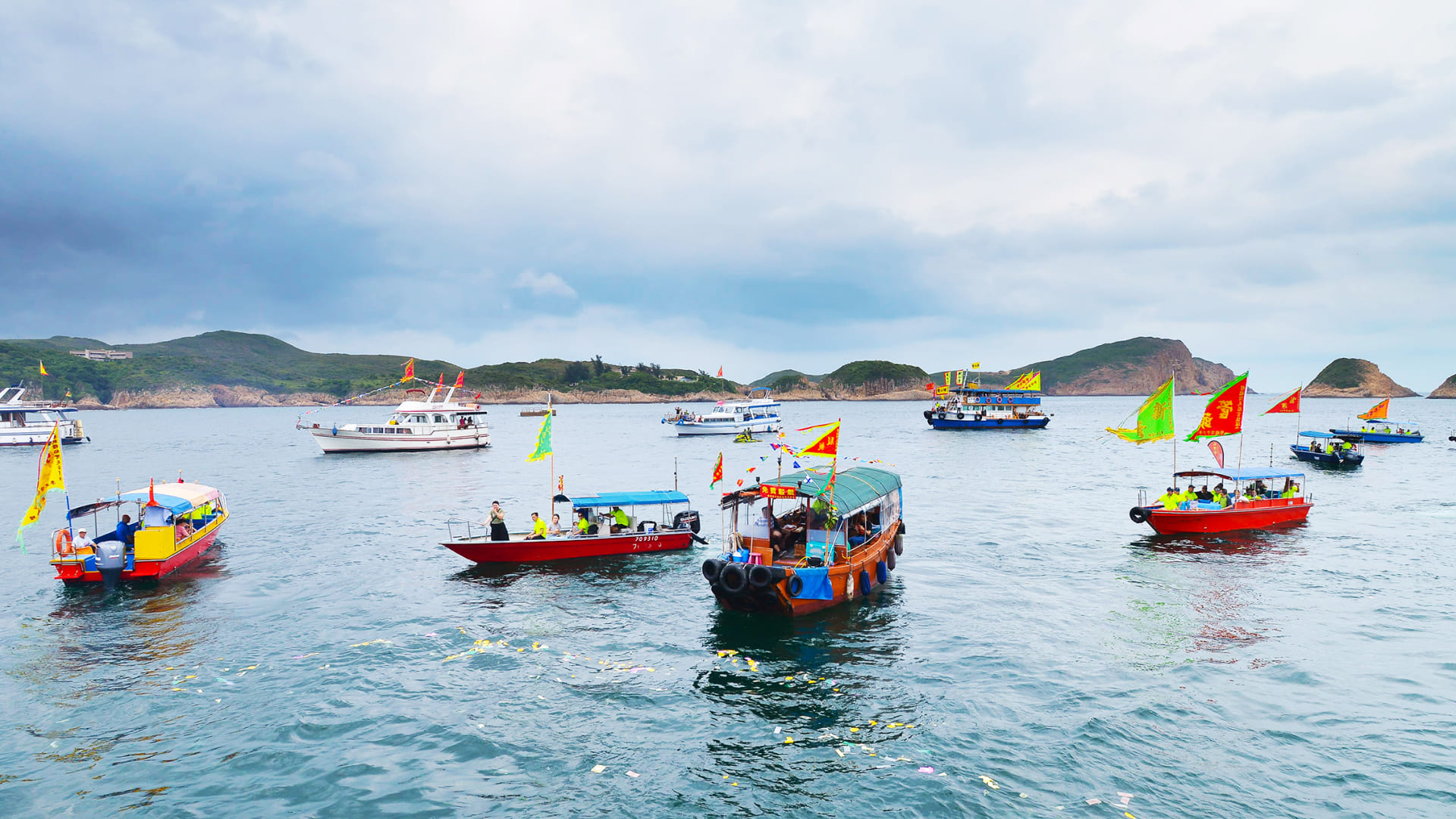
- 巡遊路線:船隊會護送天后前往伙頭墳洲和火石洲之間的海域,此為昔日糧船灣漁民出海捕魚的路線。
意義:超度孤魂及視察海面
- 「坐駕船」的船頭會豎立「大士王」,用以監察前來接受施捨的孤魂野鬼。
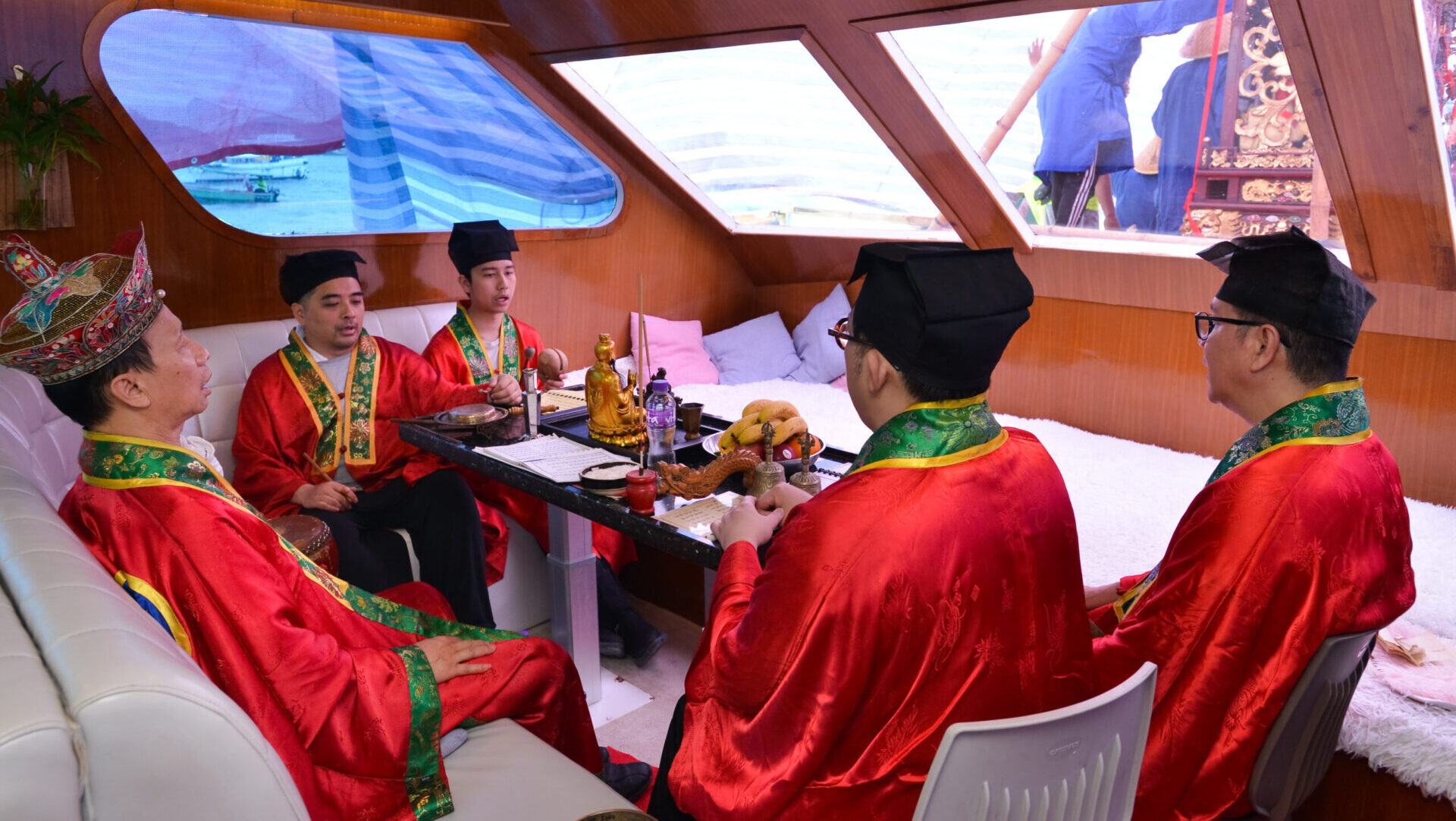
- 天后座駕船上的師傅會為亡靈誦經超度,祈求「陰安陽樂」,社區平安。
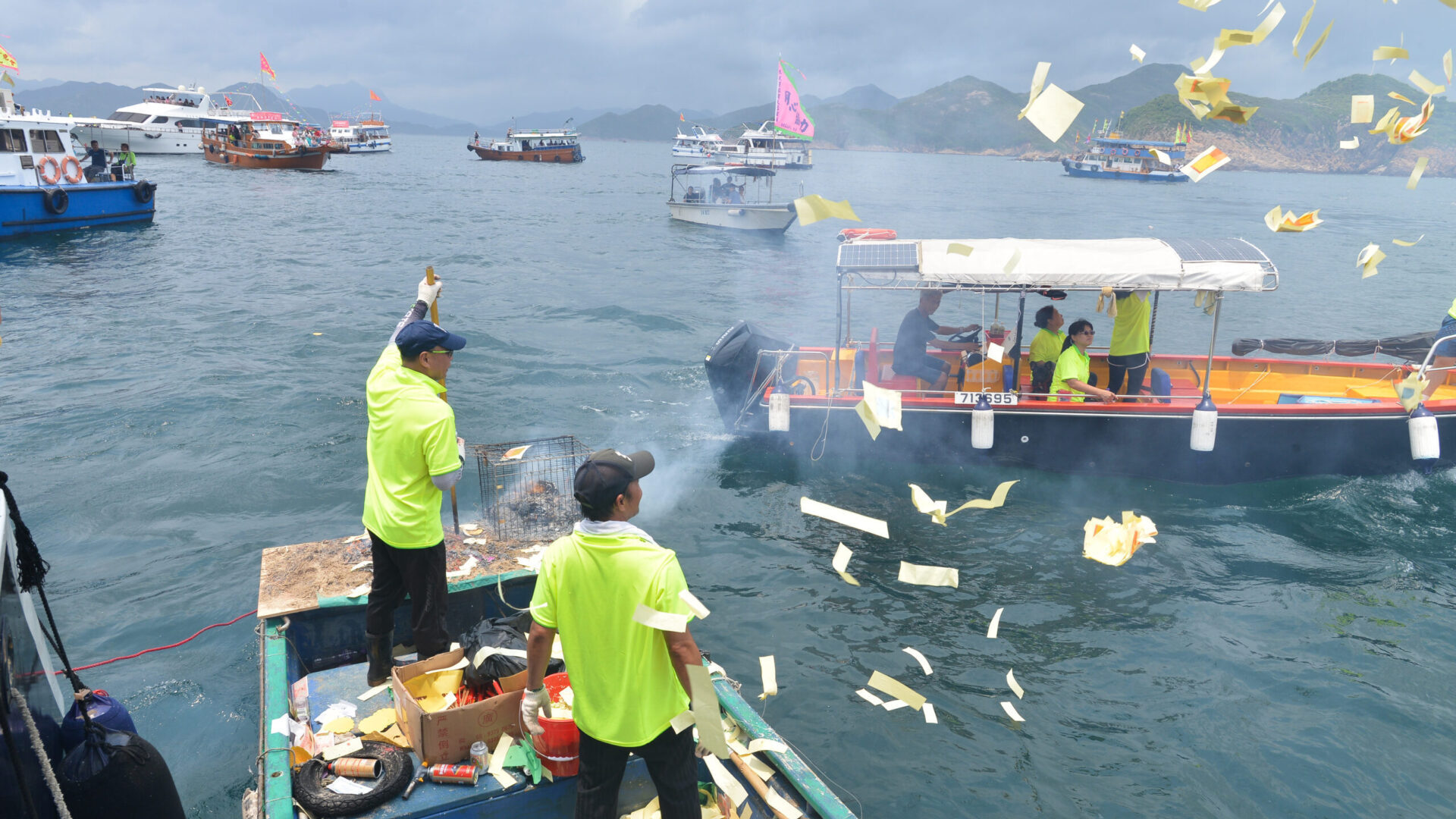
- 在海域中撒下冥鏹、飯菜,並放下紙船供海上孤魂乘坐。
回程:在海上擲聖杯,需擲聖杯請示天后娘娘回程時間。
- 天后娘娘回到糧船灣,戲班再上演賀壽、加官、送子,醒獅表演、漁家舞表演
Timeline
The entire ritual follows the ceremonial rites and pageantry of an imperial procession in ancient times.
Departure: Before setting out for the sea patrol, the departure time must be confirmed by casting moon blocks (poe) to seek Tin Hau’s instructions. The procession can only depart after obtaining divine approval.
Inviting the Deity and Preparations: Staff members decorate the sacred sedan chair with flowers and red ribbons, and hang items such as ginger and pomelo leaves to ward off evil spirits and cleanse impurities.
The Path of Purification: The entire route that Tin Hau (Goddess of the Sea) will pass is covered with red carpets and cleansed. Others are strictly prohibited from stepping on these areas.
The opera troupe first performs birthday blessing plays, promotion-themed pieces, and child-bestowing operas, accompanied by lively lion and unicorn dances to add to the festivity.
The ten “Yuen Sau (Ritual Leaders)” reverently invite the processional statue of Tin Hau out of the temple and place it onto the sacred sedan chair.
On both sides, people hold up ceremonial umbrellas, with Taoist priests (nam mo masters) following behind, chanting sutras. At the same time, some beat gongs and drums while carrying patrol placards inscribed with phrases such as “Tin Hau Yun Kwan” (Goddess of the Sea), “Impurities Keep Away”, and “Silence and Respect”.
Procession Route: The fleet escorts Tin Hau to the waters between Fo Tau Fan Chau and Fo Shek Chau, which follows the route that fishermen from Leung Shuen Wan historically took when going out to sea.
Significance: Liberating wandering souls and inspecting the sea
The bow of the “lead vessel (ceremonial boat)” displays an effigy of the “King of Ghosts” (Tai Si Wong), which oversees the wandering spirits coming to receive offerings.
Taoist priests (nam mo masters) aboard Tin Hau’s vessel chant sutras to liberate the souls of the departed, praying for “peace for both the spirits and the living” and the well-being of the community.
Spirit money, rice, and vegetables are scattered into the sea, and paper boats are released for the wandering souls at sea to ride.
Return Journey: Moon blocks (poe) are cast at sea to seek Tin Hau’s instructions regarding the return time.
Upon Tin Hau’s return to Leung Shuen Wan, the opera troupe performs birthday blessing plays, promotion-themed pieces, and child-bestowing operas, accompanied by lion dance performances and fishing folk dances.

-excel-scaled.png "糧船說 | High Island of Time")